Journal
Strawberry legs: understanding the causes and preventing them long-term
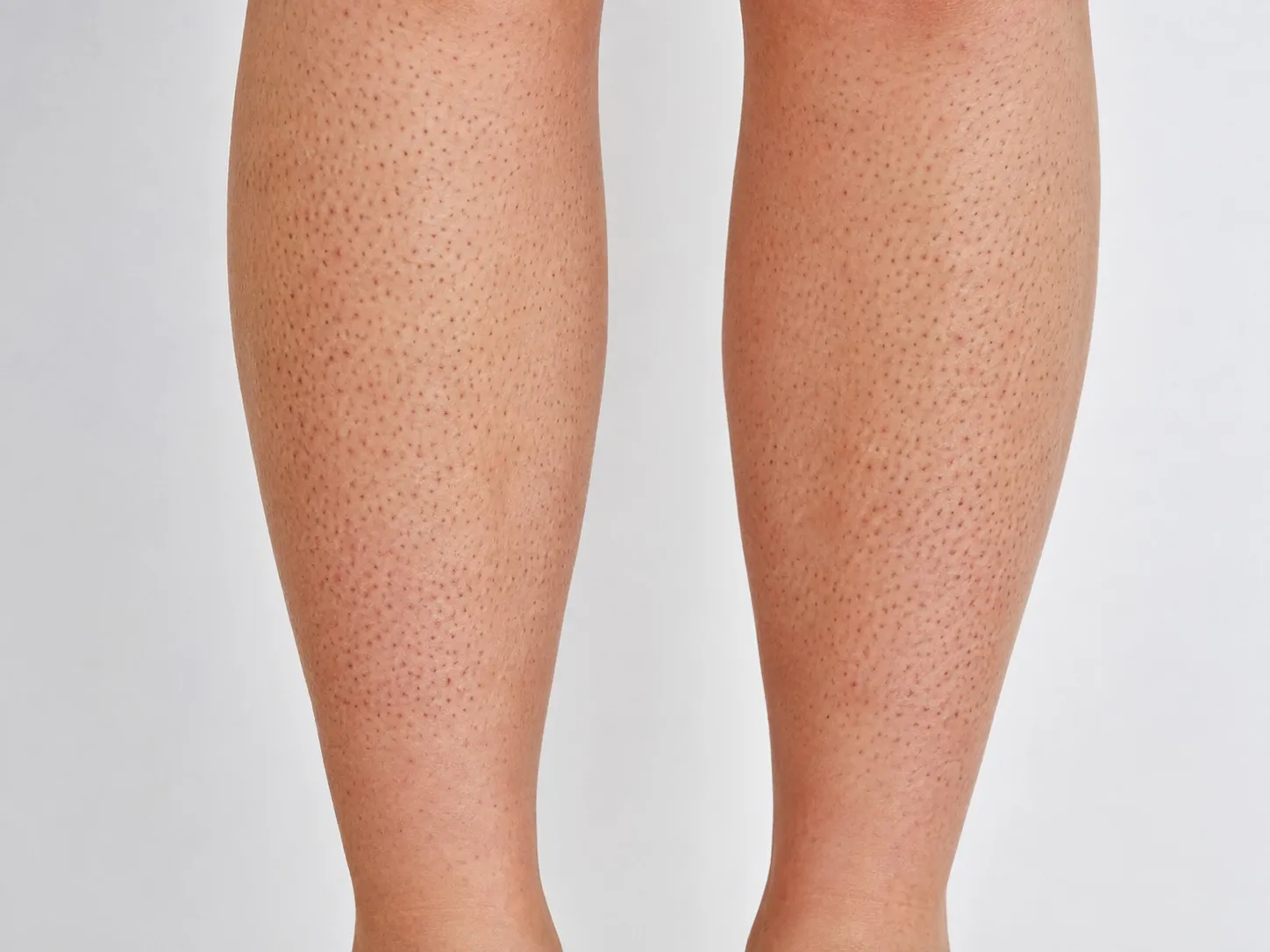
Small dark or reddish dots on the legs are colloquially called “strawberry legs” or “strawberry skin”. They can have different causes – from visible hair follicles and shaving irritation to keratinisation or ingrown hairs.
Here you will learn everything about strawberry legs and get practical tips on caring for your skin day to day.
What are strawberry legs?
The term does not describe a single medical diagnosis. It refers to a skin appearance in which the openings of the hair follicles show up as small red, brown or dark dots – most often on the legs. The dots look like the seeds on the surface of a strawberry, hence the name.
Causes – why does the strawberry look appear?
Red dots on the legs can have different causes:
- Shaving: every shave irritates the skin and follicles, and dead skin cells can more easily enter the follicle openings. Razor burn, ingrown hairs or dark follicles showing through the skin can also create the look.
- Folliculitis (isolated): if individual follicles are clearly red, sensitive or form small pimples, irritation or inflammation of those follicles may be behind it – triggered by shaving, ingrown hairs, friction or heavy sweating.
- Keratosis pilaris: a mostly genetic skin condition in which excess keratin collects around the follicles, causing small, rough bumps. It can look similar to shaving-related strawberry legs, and dry skin can intensify the rough appearance.
Why strawberry legs are often more visible after shaving
When people talk about strawberry legs, they usually mean the dots noticeable after shaving. The razor cuts the hair at the surface while putting mechanical stress on the skin.
Frequent shaving, a blunt blade or too much pressure can cause small irritations. A cut hair can also grow back awkwardly into the skin, causing redness or small bumps around the follicle.
Hair colour plays a role too. If a strong, dark hair sits under the skin, the follicle can remain visible as a dark dot even on freshly shaved skin – the legs feel smooth, but the dotted look remains.
With dry skin, unevenness can be even more noticeable, because a stressed or very dry skin surface reflects light unevenly.
By the way: if the rough, dotted look is stronger in winter, dry skin may also be a factor. Suitable moisturising care can help keep the skin supple.
What helps against strawberry legs?
With mild, shaving-related strawberry legs, the skin can often be improved with an adapted routine:
- Cleansing: gentle cleansing removes sweat, sebum and residue.
- Exfoliation: regular, skin-friendly exfoliation before shaving can help loosen excess flakes – without scrubbing harshly.
- Care: consistent moisturising can make sense, especially for dry or rough legs. Depending on your skin, products with urea, lactic acid or salicylic acid can be helpful – used with care on sensitive or irritated skin.
- Proper shaving: use a clean, sharp blade, enough shaving gel and little pressure. Prepare the skin with warm water, shave in the direction of growth and pat – don’t rub – the skin dry afterwards. If the skin is already irritated, a shaving break can help.
- Avoid friction: tight clothing and heavy sweating can irritate follicles further – especially right after hair removal.
Exfoliation and care can also help with keratosis pilaris.
Do not squeeze or scratch strongly inflamed, painful or pus-filled spots. If you notice pronounced discomfort, swelling, strong itching or recurring inflammation, have the cause checked by a dermatologist.

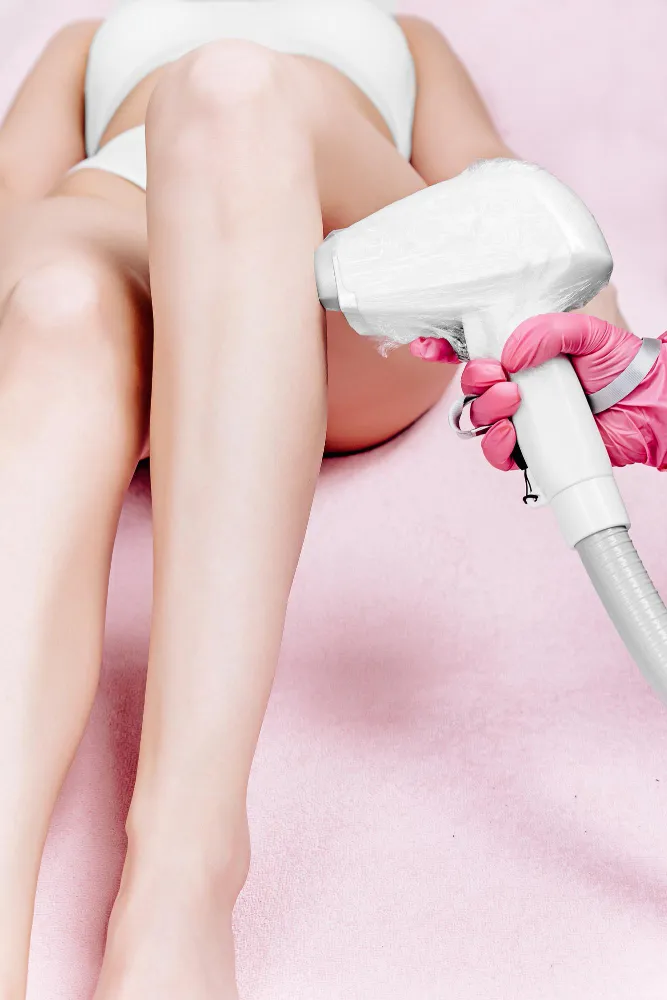
Can laser hair removal help with strawberry legs?
That depends on what causes the look.
1. When laser hair removal helps
If the dots appear mainly in connection with frequent shaving, razor bumps or ingrown hairs, reducing hair growth long-term can make sense.
Frequent shaving repeats the same mechanical stress over and over. Especially with sensitive skin or skin prone to ingrown hairs, a cycle develops: shave, irritate, let it regrow, shave again.
Laser hair removal can break this cycle by gradually reducing hair growth over several sessions. With less regrowth you usually need to shave less often – removing a recurring mechanical irritant and one of the main triggers of the visible dots.
2. When laser hair removal does not help
There is one important limitation: laser hair removal does not treat keratosis pilaris. If the rough, dotted look is mainly caused by a (genetic) keratinisation disorder, it needs appropriate care or dermatological treatment.
At La Bella Beauty, leg laser hair removal is therefore not a blanket “treatment for strawberry legs”. It is most relevant when regular hair removal and the associated irritation play a significant role in your skin’s appearance.
FAQ: strawberry legs
Are strawberry skin and strawberry legs the same?
“Strawberry legs” refers specifically to the dotted look on the legs. “Strawberry skin” is a broader term that can also describe areas such as the arms or buttocks, and rarely the face.
Is strawberry skin the same as keratosis pilaris?
No. Keratosis pilaris is an often genetic keratinisation disorder in which keratin clogs the follicles and creates small rough bumps. It can look like strawberry legs, but the colloquial “strawberry legs” are usually most visible after shaving.
Why are strawberry legs especially visible right after shaving?
After shaving, the follicles are still there and can remain visible as dark dots. Shaving can also irritate the skin, and with darker or coarser hair the hair below the surface can show through.
Does exfoliation help?
A mild exfoliant can remove excess flakes and help with keratinised or clogged skin. Exfoliating too aggressively or too often can stress irritated skin further, so the right care depends on your skin’s condition.
Do strawberry legs disappear completely with laser hair removal?
That cannot be promised across the board. If shaving, ingrown hairs and recurring irritation are major causes, reducing hair growth can reduce these triggers too. If keratosis pilaris is the cause, laser hair removal does not treat the keratinisation disorder itself.
When should strawberry legs be checked by a dermatologist?
With pain, clear inflammation, pus, strong swelling or itching, or long-lasting changes, have a doctor check whether folliculitis (superficial inflammation of the follicles) or another skin condition is present.
Get personal advice
At your first appointment we assess individually whether laser hair removal suits you and which result is realistic.